

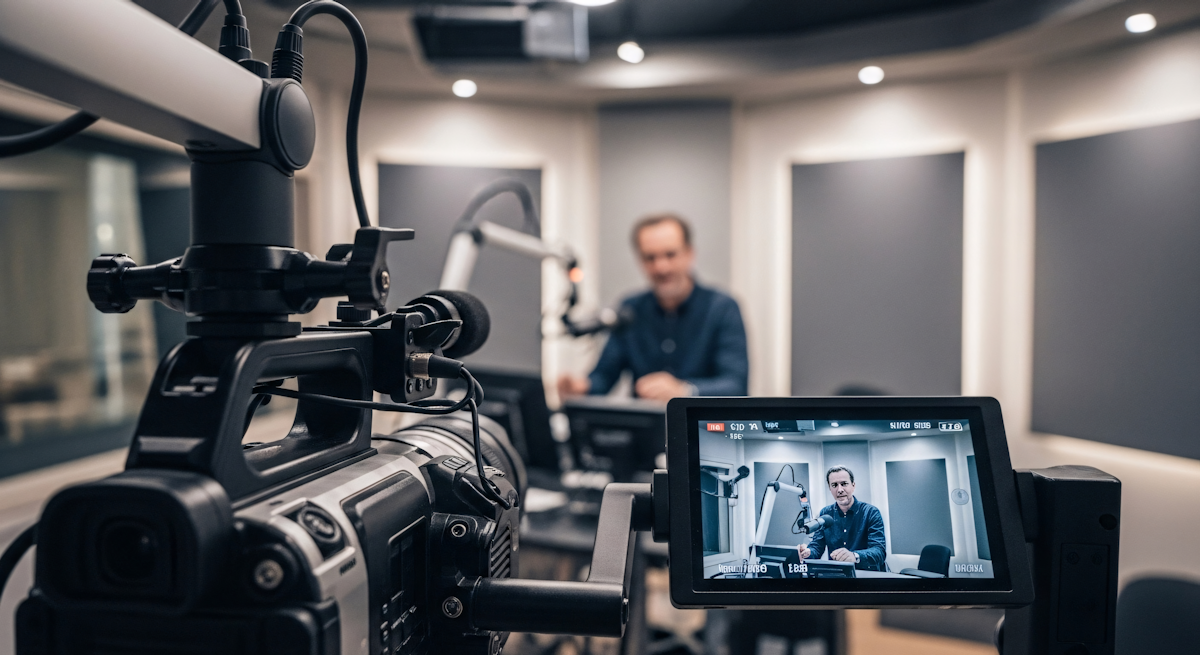
The rise of content creation
Content creation isn’t just a hobby anymore—it’s a full-blown career path. From YouTubers and TikTokers to educators, marketers, and filmmakers, everyone is creating visual content. And at the heart of it all sits one big question: Which Is Best for Content Creators—and what camera should I use?
Why choosing the right camera matters
Your camera is like your creative partner. Choose the wrong one, and you’ll fight it every step of the way. Choose the right one, and suddenly creating content feels effortless. Let’s break down mirrorless cameras, DSLRs, and smartphones—so you can confidently decide Which Is Best for Content Creators on your creative journey.
Understanding the Three Camera Types
What is a Mirrorless Camera?
How mirrorless technology works
Mirrorless cameras ditch the mirror mechanism found in DSLRs. Light hits the sensor directly, giving you a live digital preview. This means smaller bodies, faster autofocus, and cutting-edge video features. Think of mirrorless as the modern sports car of cameras—sleek, fast, and built for performance.
What is a DSLR Camera?
The traditional DSLR mechanism
DSLRs use a mirror to reflect light into an optical viewfinder. They’ve been the gold standard for decades, known for durability and excellent image quality. They’re like a reliable old pickup truck—solid, dependable, but not always the most efficient.
What Defines a Smartphone Camera?
Computational photography explained
Smartphones rely on software magic. Multiple lenses, AI processing, and computational photography combine to create impressive images from tiny sensors. It’s less about raw hardware and more about smart processing—and it works surprisingly well.
Image Quality Comparison
Sensor size and image clarity
Mirrorless and DSLR cameras win here. Bigger sensors mean sharper images, better background blur, and more detail. Smartphones have improved massively, but physics is physics—smaller sensors still have limits.
Low-light performance
In dim lighting, mirrorless cameras usually come out on top, followed closely by DSLRs. Smartphones compensate with night modes, but they can’t fully match the natural low-light performance of larger sensors.
Color science and dynamic range
Dedicated cameras capture richer colors and more dynamic range. This gives you flexibility in editing—something content creators quickly appreciate as they level up.
Video Capabilities for Creators
Resolution and frame rates
Mirrorless cameras dominate video features: 4K, 6K, even 8K recording. DSLRs lag behind here. Smartphones offer impressive 4K and slow motion, but with limitations on control and heat management.
Autofocus performance
Modern mirrorless autofocus is scary good. Face tracking, eye detection—it’s like the camera knows what you’re filming. Smartphones also excel here, while older DSLRs can struggle in video mode.
Stabilization options
Smartphones shine with digital stabilization. Mirrorless cameras counter with in-body stabilization and stabilized lenses. DSLRs? Not so much.
Portability and Convenience
Weight and size
Smartphones win hands down. Mirrorless cameras are compact, while DSLRs are bulky. If you’re traveling or vlogging, size matters more than you think.
Ease of everyday use
Smartphones are always in your pocket. No setup, no gear anxiety—just shoot. Mirrorless cameras strike a balance. DSLRs require commitment.
Shooting on the go
If speed is your priority, smartphones rule. If quality matters more, mirrorless cameras are the sweet spot.
Audio and Accessories
External microphone support
Mirrorless and DSLR cameras support professional microphones. Some smartphones do too, but with adapters and compromises.
Lens options and expandability
Interchangeable lenses give mirrorless and DSLR users huge creative flexibility. Smartphones? You’re mostly stuck with what you get.
Mounts, rigs, and add-ons
Dedicated cameras integrate easily into professional setups. Smartphones can do it too—but often feel like a workaround.
Cost and Value for Money
Entry-level budgets
Smartphones are cost-effective if you already own one. Entry-level mirrorless cameras offer excellent value. DSLRs are becoming less competitive in this range.
Long-term investment
Mirrorless systems are the future. Investing now means better support and upgrades later.
Hidden costs to consider
Lenses, batteries, memory cards—it adds up fast with dedicated cameras.
Ease of Use and Learning Curve
Beginner-friendly options
Smartphones are the easiest option, especially if you’re deciding Which Is Best for Content Creators who need speed and simplicity. Mirrorless cameras are approachable and deliver strong quality with less hassle. DSLRs often have the steepest learning curve but can still suit certain creators and setups.
Manual controls and creative freedom
Mirrorless and DSLR cameras give you full control over image quality, lenses, and settings—key factors when comparing options and deciding Which Is Best for Content Creators. Smartphones trade that control for convenience, speed, and an all-in-one workflow.
Best Camera Choice by Content Type
YouTube creators

- 【5K Cinematic Clarity & Versatility】 This digital camera captures stunning 5K/20fps videos (also 4K/60fps) and 64MP phot…
- 【270° Pro Flip Screen & Durability】 This 5K Ultra HD video camera features a durable metal-hinge and 3.0″ IPS touch scre…
- 【Ultimate Creator Bundle Included】 Start shooting immediately: 32GB Memory Card, dual 1800mAh batteries, tripod, externa…
Mirrorless cameras offer the best balance of quality and features.
Vloggers and travelers

- 【8MP HighDefinition Camera & Clear Audio】Capture sharp 1080p video and detailed photos with an integrated 8MP camera and…
- 【Hands‑Free Voice & Bluetooth Control】Simply speak “HeyCyan, record” or “take a photo” to start capturing, or by using d…
- 【AI‑Powered 139‑Language Translation】Break down language barriers with built‑in ai glasses with camera translation. Pre‑…
Smartphones or compact mirrorless cameras are ideal.
Social media influencers
- 【5K Cinematic Clarity & Versatility】 This digital camera captures stunning 5K/20fps videos (also 4K/60fps) and 64MP phot…
- 【270° Pro Flip Screen & Durability】 This 5K Ultra HD video camera features a durable metal-hinge and 3.0″ IPS touch scre…
- 【Ultimate Creator Bundle Included】 Start shooting immediately: 32GB Memory Card, dual 1800mAh batteries, tripod, externa…
Smartphones win for speed, editing, and sharing.
Professional filmmakers
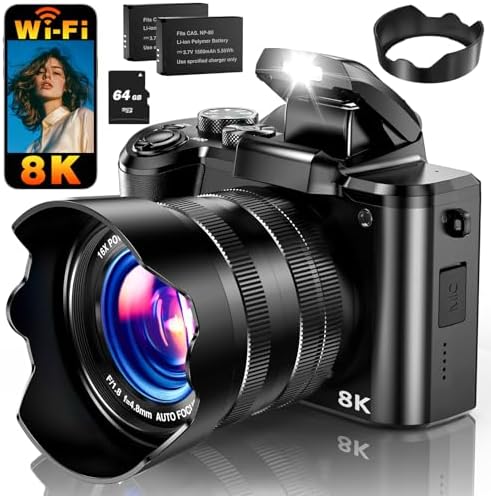
- 【2026 8K UHD 88MP Autofocus Camera】2026 upgraded digital camera captures up to 88MP high-resolution photos and records 8…
Mirrorless cameras are the clear choice.
Pros and Cons Summary
Mirrorless cameras

- FULL-FRAME CMOS SENSOR: 24.2 effective megapixels (approx.) lets you capture sharp, detailed images even in low-light co…
- DIGIC X IMAGE PROCESSOR: Enhances digital camera performance and processes, including image stabilization, image process…
- HIGH-SPEED CONTINUOUS SHOOTING: Electronic shutter speeds of up to 40 fps at 20MP let you capture dynamic action shots o…
Pros: Best video, modern features, future-proof
Cons: Battery life, cost
DSLR cameras
- Canon EOS 2000D DSLRCamera Body – 24.1MP APS-C CMOS Sensor, DIGIC 4+ Image Processor, 3.0″ 920k-Dot LCD Monitor, Full HD…
- Canon EF-S 18-55mm F/3.5-5.6 DC III Zoom Lens – EF-S-Mount Lens/APS-C Format, 28.8-88mm (35mm Equivalent) ,Aperture Rang…
- 24.1MP APS-C CMOS sensor and DIGIC 4+ image processor, which combine to provide both speed throughout the camera system …
Pros: Great image quality, durable
Cons: Bulky, outdated video features
Smartphone cameras
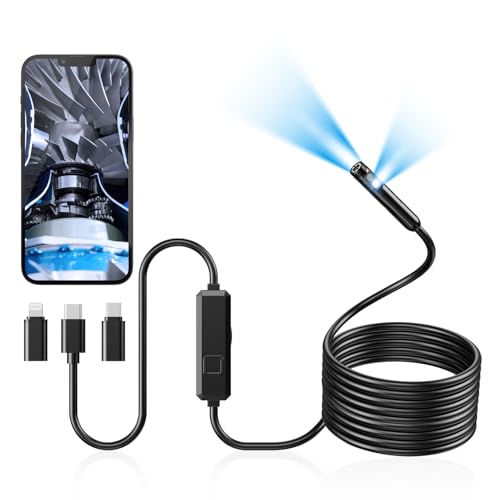
- 1920P Dual Lens Inspection Camera – Aocath dual lens 7.9mm sewer endoscope camera probe easily accesses tight spots, 2.0…
- Easy Connection & Silent Work – Pairing our borescope camera with your device is as seamless as it is delightful, and as…
- IP67 Waterproof Borescope & Flexible Semi-Rigid Cable – Our snake camera with a semi-rigid 16.4ft cable, bends freely an…
Pros: Ultra-convenient, affordable, powerful software
Cons: Limited control, smaller sensors
The Future of Content Creation Cameras
AI and computational imaging
Smartphones will keep getting smarter, and cameras will keep getting faster—so the real decision stays the same: Which Is Best for Content Creators based on your needs today and the kind of content you plan to make next.
Where the industry is heading
Mirrorless is widely seen as the future for serious creators, and for many workflows it’s Which Is Best for Content Creators who want top video features, fast autofocus, and flexible lens options.
Final Verdict
Which camera is best for you?
If you want convenience—go smartphone.
If you want professional quality—go mirrorless.
If you already own a DSLR—it still works, but upgrades are coming.
Conclusion
There’s no single “best” camera for all content creators. The best camera is the one that matches your goals, workflow, and budget—because that’s ultimately Which Is Best for Content Creators in real-world use. Start where you are, grow as you go, and remember—great content always beats great gear. Ready to level up your content? Choose wisely and start creating today.
Frequently Asked Questions
Is a smartphone enough for professional content creation?
Yes, especially for social media—but with limits.
Are DSLRs still worth buying in 2026?
Only if you find a great deal or already own lenses.
Why are mirrorless cameras so popular now?
They offer the best mix of size, quality, and video features.
Do I need expensive lenses to start?
No. A good kit lens is enough for beginners.
What should beginners choose first?
A smartphone or entry-level mirrorless camera.
Find Reviews of products Here